Contact Us
- Phone: +81 78-555-0192
- Email: tidalthreads@gmail.com
- Address: 2-8-5 Sakaemachi, Nishinomiya, Hyogo Prefecture, Japan
- Working hours: 9:00AM - 6:00PM
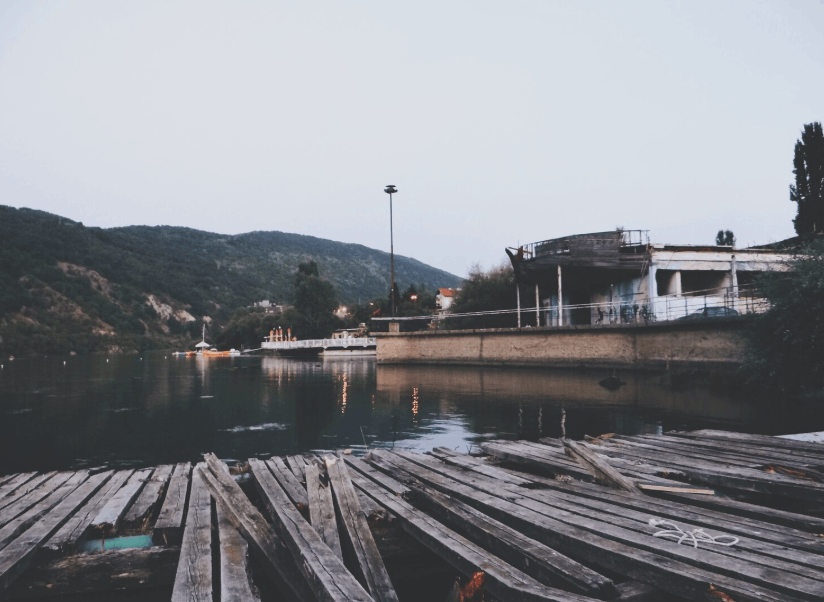
In the deepest hours of summer, the coastal towns of northern Japan ignite with a soft, flickering glow that has little to do with electricity. This is the season of the floating lantern festivals, where paper boats carrying written prayers are released onto the dark water to guide ancestral spirits back to the other world. The lanterns drift past the silhouettes of sleeping fishing boats, their ropes creaking a quiet lullaby in the harbor. Elderly women in indigo kimonos gather at the edge of the Japanese ports, their hands pressed together as the tiny flames mirror the vanished stars above. For one suspended moment, the boundary between the living and the dead dissolves into the gentle lapping of waves against the docks.
The origins of this ritual lie deep within the ocean traditions of fishing families who have always understood the sea as both a giver and a taker of life. Every household that sends a man out on the fishing boats has a story of loss, of a storm that swallowed a father or a brother without leaving even a fragment of wood to bury. The lanterns become surrogate vessels, carrying the weight of grief out beyond the breakwater where the souls of drowned fishermen are believed to rest. Elders whisper that the freshest seafood of the season must be offered at the small shoreline altars before the boats depart, ensuring the ancestors eat first. This delicate negotiation with the invisible world remains the bedrock of maritime life here.
I arrived in one of these coastal towns on an afternoon heavy with the scent of grilled mackerel and impending rain. The locals were busy constructing the lantern stands from bamboo poles lashed together with rice-straw ropes, their movements efficient from decades of repetition. Children ran between the legs of the adults, carrying stacks of washi paper squares destined to become miniature shrines adrift on the tide. The entire community operated like a well-maintained engine, each cog essential to the smooth running of the ritual. Even the captains of the fishing boats had scrubbed their decks clean and hung paper lanterns from their masts in solidarity with the occasion.
As dusk bled into true night, the priests arrived from the hillside temple bearing a sacred flame in a stone vessel that had not been extinguished in three centuries. They chanted sutras that vibrated through the wooden planks of the pier and seemed to sink into the very bones of the gathered crowd. One by one, the families approached the water's edge, kneeling to place their illuminated offerings on the surface with heartbreaking tenderness. The current caught the tiny flames and coaxed them away from shore, transforming the bay into a mirror of the Milky Way. Out beyond the moored fishing boats, the line of lights wavered and danced, a procession of miniature suns sailing into the void.
I stood beside an old woman who had lost her husband to the sea forty years ago, and she told me she still writes him letters every summer. She folds the paper into impossibly small cranes and tucks them inside the lantern before setting it afloat, convinced that the currents of the Japanese ports eventually carry her words to wherever he now resides. Her fingers, twisted by arthritis, still moved with the muscle memory of folding nets beside him on their fishing boats during their youth. She pointed toward a cluster of lights that had drifted close together, smiling as she noted that her husband must have found his old crewmates again. The ocean traditions of her generation taught that salt water is a conductor of memory, not a barrier to it.
Around midnight, the festival reached its crescendo with the release of a single massive lantern from the town's oldest surviving vessel. This lantern represented the collective spirit of all those lost to the maritime life of the region, and it required six men to carry it to the launch point. As it floated away, burning brighter and more defiantly than any of the others, a communal exhale moved through the crowd. The seafood stalls that had been operating since dawn finally closed their shutters, and the vendors joined the spectators with bowls of steaming miso soup clasped in their tired hands. In that moment of shared silence, the purpose of the entire ritual crystallized into something far beyond spectacle.
The next morning, the beaches of these coastal towns were pristine, the spent lanterns having dissolved harmlessly into the water or been carried away by the current. The fishing boats roared back to life, their diesel engines shattering the sacred quiet with the pragmatic demands of commerce and survival. Yet something of the night's tenderness lingered in the way the fishermen handled their nets, a gentleness that suggested they still felt the presence of those they had honored. I walked the length of the harbor as the first seafood catches were hauled ashore, the silver bodies of sardines flashing in the weak morning sun. The ocean traditions had been observed, the dead had been fed, and the living could return to their labors with their hearts momentarily lightened.