Contact Us
- Phone: +81 78-555-0192
- Email: tidalthreads@gmail.com
- Address: 2-8-5 Sakaemachi, Nishinomiya, Hyogo Prefecture, Japan
- Working hours: 9:00AM - 6:00PM
We explore the quiet rhythm of life where land ends and the ocean begins. Our stories drift through misty harbors and bustling morning auctions. Here, the daily catch is not just commerce but a cultural cornerstone. We trace the lines of weather-beaten fishing boats as they return to port. Our lens focuses on the fresh seafood that defines local cuisine and community. We map the hidden inlets and vibrant coastal towns that guard the shore. Every article dives deep into the ocean traditions passed down through generations. We illuminate the vital pulse of Japanese ports and the people who bring maritime life ashore.
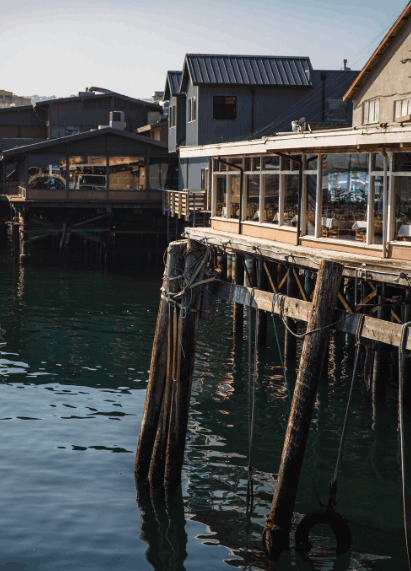
In the deepest hours of summer, the coastal towns of northern Japan ignite with a soft, flickering glow that has little to do with electricity. This is the season of the floating lantern festivals, where paper boats carrying written prayers are released onto the dark water to guide ancestral spirits back to the other world.
READ MORE >>>
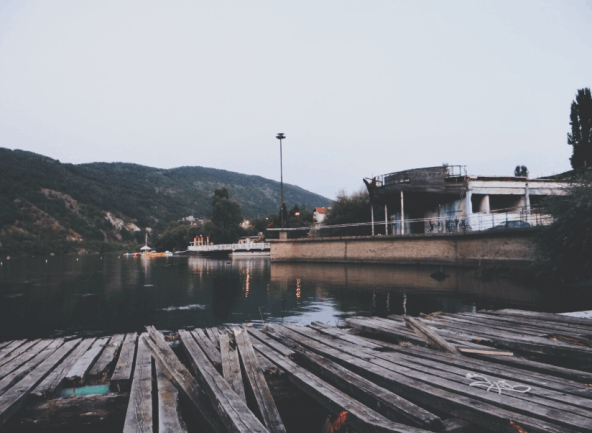
Long before the sun cracks the horizon, the Ama women are already wading into the frigid water of Japan's most rugged coastal towns. They are the last practitioners of a free-diving tradition that stretches back over two thousand years, hunting for abalone, sea urchins, and turban shells on the seabed.
READ MORE >>>
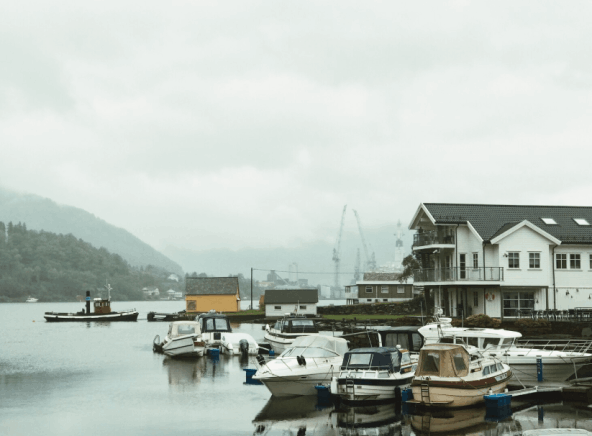
The clock reads 4:17 AM when the first fluorescent lights of the fish market sputter to life, casting harsh shadows across mountains of polystyrene boxes packed with ice. Inside the cavernous warehouse that anchors the largest of the regional Japanese ports, the air is a brutal assault of ammonia, diesel, and the metallic tang of freshly caught tuna.
READ MORE >>>
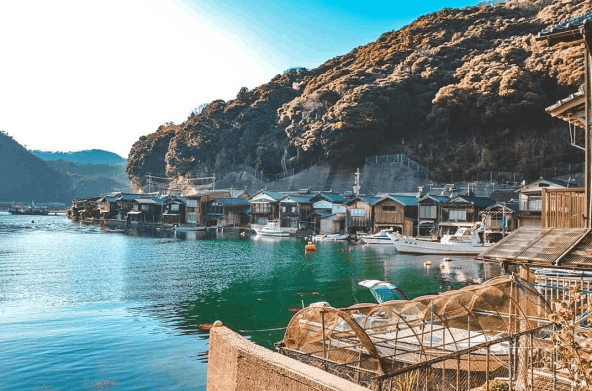
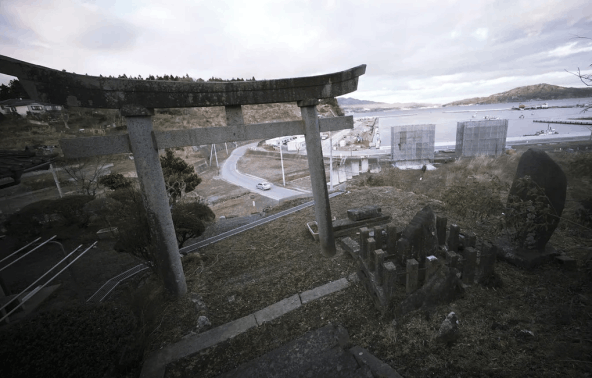
High on a hill overlooking a cluster of coastal towns, a weathered stone shrine marks the boundary between safety and catastrophe with a simple line chiseled into rock. The inscription, worn nearly smooth by wind and rain, warns future generations never to build their homes below this point, a directive paid for with the lives of ancestors swept away centuries ago.
READ MORE >>>
We are a collective of ethnographers, marine biologists, and former deckhands who have spent decades embedded in the Japanese ports of the Pacific coast. Our authority comes not from textbooks alone, but from slippery palms hauling in nets and the quiet conversations held in the storage lofts of aging fishing boats. We have witnessed how the tidal pull shapes the mental health and physical landscape of coastal towns, and we strive to document this fragile maritime life before the world forgets its intrinsic value.
Our expertise lies in translating the sensory explosion of a morning auction—the briny perfume of fresh seafood—into a narrative that bridges the gap between the shore and the global reader. We document the generational shifts threatening to erase ancient ocean traditions, ensuring that the wisdom of the elders is archived in digital amber. Through our lens, you see not just tourist spots, but the visceral reality of salt, rust, and survival that defines coastal towns. We are dedicated to chronicling the sustainable practices and the gastronomic treasures offered by the daily voyages of fishing boats.
We gather stories knee-deep in the water, directly from the hands that guide the fishing boats home.
We delve beyond the dish to reveal the terroir of the sea, showcasing seafood as a vessel of history.
We paint the textures of coastal towns and Japanese ports so vividly, you can almost taste the spray of the waves.
We produce long-form investigative essays that analyze the demographics and environmental pressures reshaping coastal towns today. Our content includes immersive photo galleries that freeze the chaotic beauty of maritime life aboard rust-streaked fishing boats. We publish field guides that teach you how to identify the peak season for different varieties of seafood at local Japanese ports. Through audio documentary series, we let you eavesdrop on the creaking timber of old huts and the ambient noise of ocean traditions being celebrated in off-grid villages.
We design narrative maps that trace the migratory routes of both fish and the humans who chase them, linking distant Japanese ports through shared maritime life struggles. Our video shorts capture the hypnotic, repetitive craft of mending gear, a cornerstone of ocean traditions that relies on a disappearing tactile memory. We also curate seasonal dispatches that track how climate fluctuations directly impact the rhythm of the fishing boats and the supply of high-quality seafood. The work bridges the sensory experience of visiting coastal towns with the intellectual rigor of environmental journalism.
The most significant erosion of ocean traditions comes not from the sea itself, but from generational drift; as younger residents leave aging coastal towns, the oral histories and ritual knowledge tied to maintaining fishing boats and processing seafood are often lost before they can be recorded, leaving the Japanese ports culturally hollowed out despite the continuous flow of maritime life.
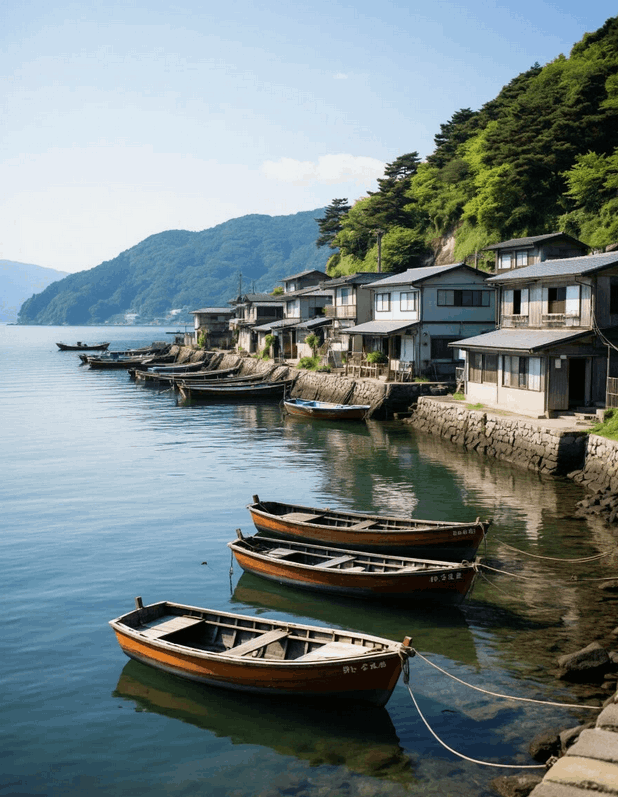
While fiberglass hulls dominate most of the larger Japanese ports for commercial efficiency, there remains a dedicated minority of craftsmen in isolated coastal towns who painstakingly build and maintain wooden fishing boats, preserving a sculptural facet of maritime life that refuses to be replaced by industrial molds.
The rhythm of celebration in coastal towns is biologically tied to the abundance of the water; a poor season for a specific seafood might scale down a festival’s physical offerings, but the spiritual ocean traditions continue with even greater fervor, as the community rallies through maritime life rituals to appease the gods of the Japanese ports.
Strict safety and sanitary regulations generally prevent outsiders from joining a working crew on fishing boats departing from Japanese ports, but many coastal towns now offer curated maritime life experiences on retired vessels or educational tours at dockside where you can interact with the fresh seafood catch without interfering with the commercial hustle.
Historically, the banya was the social heart of maritime life, a communal shed near the fishing boats where workers slept, mended nets, and shared meals of the day's leftover seafood; it represents a vanishing architecture of equality and warmth in the coastal towns, where the hierarchy of the Japanese ports melted away over a crackling fire and stories of the deep sea.