Contact Us
- Phone: +81 78-555-0192
- Email: tidalthreads@gmail.com
- Address: 2-8-5 Sakaemachi, Nishinomiya, Hyogo Prefecture, Japan
- Working hours: 9:00AM - 6:00PM
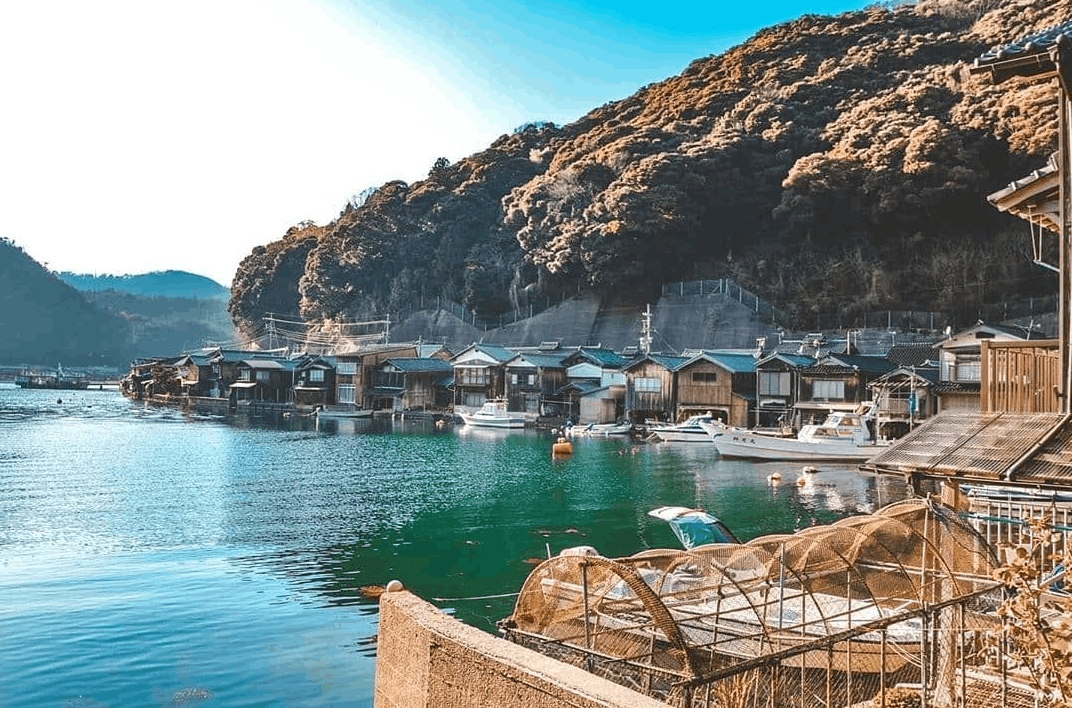
The clock reads 4:17 AM when the first fluorescent lights of the fish market sputter to life, casting harsh shadows across mountains of polystyrene boxes packed with ice. Inside the cavernous warehouse that anchors the largest of the regional Japanese ports, the air is a brutal assault of ammonia, diesel, and the metallic tang of freshly caught tuna. Men in rubber boots and baseball caps move with the jittery energy of gamblers before a prize fight, clutching styrofoam cups of vending machine coffee that has the consistency of warm tar. Outside in the darkness, the fishing boats are arriving in a steady procession, their decks slippery with the night's final haul glinting under the deck lights. This is the theater of the morning auction, where the seafood that will grace Tokyo's finest restaurants begins its journey from sea to plate.
The auctioneers occupy raised wooden platforms at intervals along the warehouse floor, like conductors surveying an orchestra made entirely of fishmongers and ice shovels. Their chants are a language unto themselves, a staccato musicality of numbers and place names delivered at a speed that defies comprehension. Buyers signal with minute twitches of their fingers, gestures so subtle that an untrained observer would miss the transaction entirely. These men represent restaurants, wholesalers, and distributors who depend on the ocean traditions of quality grading that have been refined over centuries of trade. A single misjudgment of fat content or flesh firmness can cost a company millions of yen, and so the faces remain masks of intense concentration despite the casual postures.
I shadowed Tanaka-san, a third-generation buyer whose family has worked these Japanese ports since the Meiji era, as he moved from lot to lot inspecting the catch. He carried a small flashlight and a metal hook that he inserted into the gills of select specimens, extracting a sliver of flesh to rub between his thumb and forefinger. His assessment of each fish required no more than three seconds, a speed that belied the deep knowledge of maritime life encoded in his nervous system. He told me that his grandfather could identify which specific bay a fish came from simply by the smell of the mud in its gills. The fishing boats change their grounds, the climate shifts the currents, but the sensory vocabulary of the auction remains stubbornly, beautifully analog.
The star attraction, as always, were the bluefin tuna laid out in rows on the concrete floor like fallen sumo wrestlers awaiting judgment. Their flesh had been cored at the tail, exposing cross-sections of ruby and pale pink that told the story of the animal's diet, stress levels, and final moments. Buyers knelt beside these giants with the reverence of mourners, shining flashlights into the translucent meat to assess the marbling of fat that determines whether a fish will sell for the price of a compact car or be ground into canned pet food. The seafood at this level is a commodity so rarified that the numbers exchanged seem fictional, yet the hands that land these fish are the same calloused palms that steer the fishing boats through typhoons for barely enough pay to keep the diesel tanks full.
Around 6:00 AM, the pace abruptly shifted as the auction concluded and the warehouse transformed into a processing facility. The sold lots were dragged on sleds to separate cutting stations where bandsaws screamed through bone and the floor ran pink with diluted blood. Workers in white coats and chainmail gloves broke down the larger specimens with the precision of surgeons, separating toro from akami in cuts that would determine the profitability of the entire enterprise. Apprentices from the sushi restaurants of Kyoto and Osaka stood nervously nearby, sent by their masters to secure the best cuts or face the consequences of failure. The ocean traditions of butchery are a brutal craft, learned through repetition and scarred hands.
Tanaka-san completed his purchases and invited me to a small room behind the auction floor where the veterans gather to eat breakfast. A makeshift kitchen served bowls of miso soup loaded with scraps of the morning's catch, cuts too small or imperfect for the market but transcendent in their freshness. Over the meal, the conversation turned to the future of these coastal towns and the Japanese ports that sustain them. The number of active fishing boats declines each year, the buyers noted, and the young men no longer want to spend their lives on the water. Their voices held the weary resignation of people who have accepted that the maritime life they love is unlikely to outlast their own careers.
By the time I staggered out into the daylight, the market was quiet again, the concrete hosed clean and the remaining ice melting into puddles that reflected a pale winter sky. Trucks loaded with the finest seafood were already speeding toward the cities, completing the circuit that connects the isolated coastal towns to the metropolitan millions who rarely consider where their sashimi begins. The fishing boats were settling into their berths, their crews asleep in cramped cabins above engines that would fire again before the next dawn. I looked back at the warehouse, its corrugated walls vibrating faintly with the hum of refrigeration units, and understood that this relentless cycle of labor and trade represents a miracle of coordination that no technology has yet managed to replicate.