Contact Us
- Phone: +81 78-555-0192
- Email: tidalthreads@gmail.com
- Address: 2-8-5 Sakaemachi, Nishinomiya, Hyogo Prefecture, Japan
- Working hours: 9:00AM - 6:00PM
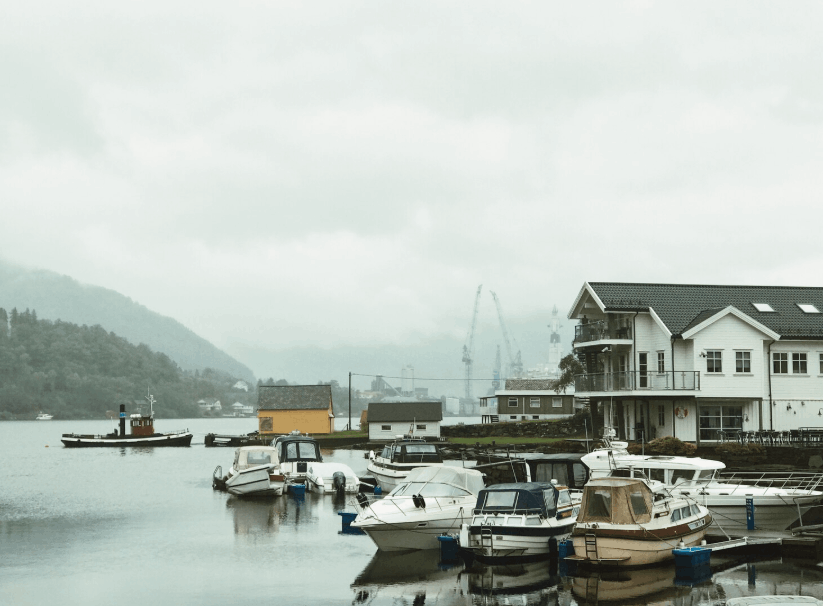
Long before the sun cracks the horizon, the Ama women are already wading into the frigid water of Japan's most rugged coastal towns. They are the last practitioners of a free-diving tradition that stretches back over two thousand years, hunting for abalone, sea urchins, and turban shells on the seabed. Their only tools are a simple knife, a net bag tethered to a wooden buoy, and lungs trained to hold air for impossible stretches of time. While the fishing boats of the modern era rely on sonar and GPS, these women navigate by the texture of the rocks and the pull of the current against their bare skin. Their bodies are living archives of ocean traditions that no museum could ever adequately preserve.
The Ama breathe using a technique called isobue, a piercing whistle they emit when they surface, expelling carbon dioxide in a controlled burst that echoes across the silent coves like a bird call. This sound, once common along the Japanese ports of the Ise-Shima peninsula, is now fading as the average age of the divers climbs past sixty-five. Younger generations have largely abandoned the maritime life for air-conditioned offices in Tokyo or Osaka, unwilling to subject their bodies to the bone-numbing cold and the dangers of the deep. Yet the women who remain insist that the water keeps them young, their bodies lean and powerful well into their seventies. They joke that the seafood they harvest is simply a byproduct of their true purpose: maintaining a direct, physical dialogue with the ocean itself.
I met Matsumoto-san, a seventy-two-year-old Ama with skin like tanned leather and eyes that sparkled with mischief, at a tiny shack near the rocks where she had dried her gear for half a century. She showed me her favorite abalone spot, a submerged ledge twenty meters down where the shells clustered like dark jewels beneath the swaying kelp. For her, the distinction between the fishing boats that chug past her buoy and her own practice is a matter of philosophy rather than technology. The boats take, she explained, while the Ama visit and ask permission, a fundamental tenet of the ocean traditions that governed these waters long before capitalism arrived. She never stays down longer than the sea allows, and she never takes more than the village can eat.
The Ama once dove in nothing but a white loincloth, a garment believed to ward off sharks and other predators of the deep. Today they wear neoprene wetsuits, a concession to comfort that Matsumoto-san regards with a mixture of gratitude and quiet disappointment. She recalled the day the coastal towns transitioned to modern gear, how the new suits felt like cheating, a betrayal of the direct, unprotected relationship her grandmother had taught her to cultivate. Still, the cold of February water respects no tradition, and even the most stoic Ama now zip themselves into black rubber before descending. The essence of the practice, the profound solitude of the seabed, remains unchanged despite this thin synthetic barrier between body and sea.
The relationship between the Ama and the seafood they harvest is governed by strict community-imposed quotas that predate modern fishery regulations by centuries. They rotate their harvesting grounds meticulously, allowing the sea urchin colonies time to regenerate and the abalone to grow to sizes rarely seen in commercially trawled waters. This stewardship explains why the rocky coves near their Japanese ports teem with life in densities that astonish marine biologists who visit. The Ama approach their work with the mentality of gardeners rather than hunters, pruning the seabed carefully so that future generations might also know the taste of these pristine waters. Their very existence challenges the narrative that human interaction with maritime life must inevitably be extractive and destructive.
During my visit, I watched a group of five Ama surface together after a dive, their whistles overlapping in a dissonant, beautiful chorus that bounced off the volcanic cliffs. They floated on their backs for a while, laughing and examining each other's catches like teenagers comparing treasures at a sleepover. One woman had found a rare shell she intended to polish into a gift for her granddaughter, while another had snagged her glove on a sea urchin spine and was receiving a good-natured scolding from the others. The fishing boats passing in the distance seemed like alien machines compared to this scene of raw, joyful connection to the water. Here was maritime life stripped down to its essential, human core.
As I left the village, Matsumoto-san pressed a small jar of dried abalone into my hands, a gift that represented hours of labor and lifetimes of accrued wisdom. She told me that the Ama will likely disappear within a generation, that the ocean traditions she embodies will become another entry in the encyclopedia of lost human practices. Yet she refused to be sad about this, insisting that the sea itself remembers every dive, every held breath, every whispered prayer of gratitude. The water around these coastal towns is saturated with the spirit of the Ama, and long after the last of the divers has returned to shore for the final time, the Japanese ports will still echo with the whistle of their isobue in the spaces between waves.